Wednesday, November 23, 2011

Layman's Guide to Cancer - Part 2 Cancer Symptoms


Cancers can cause a wide range of symptoms or they can be fully symptomless until the illness has progressed to an advanced stage. It is important to note that symptoms associated with cancer can also be noticed in other illnesses as effectively, for which a cure is on the market. So it is essential to recognize the symptoms and locate out the trigger of the symptom by means of examination ,investigations and tests. Early recognition of the symptoms and therapy might lead to a favorable outcome in a large number of cancer kinds. Some of the commonly encountered symptoms are dealt with below.

  • Unexplained loss of weight Unexplained Loss of weight could possibly be due to an underlying cancer.But loss of weight can also be related with numerous chronic conditions like tuberculosis, diabetes and a number of other medical circumstances.Therefore it is needed to rule out other causes of weight loss before suspecting cancer
  • Swelling anyplace in the body Some cancers like Breast cancer, testicular cancer, thyroid cancer present as swellings. Most of the times the swellings are not cancerous and can be quickly treated. Some of the swellings could be basically secondaries from a cancer at a diverse website.
  • Alteration in bowel habits Difficulty in passing stools ,constipation, diarrhea, alteration in the caliber of the stools, blood in stools and feeling of incomplete emptying of the stools soon after passing stools ( tenesmus) are some of the symptoms commonly related with bowel cancer.
  • Difficulty in swallowing Also called as dysphagia is a symptom commonly encountered with cases of upper gastrointestinal tract cancer (e.g. oesophageal cancer).
  • Unusual vaginal bleeding or discharge Unusual vaginal bleeding or discharge might possibly be an early symptom of uterine or cervical cancer.Excessive vaginal bleeding may be associated with lots of other conditions like menorrhagia, fibroid uterus.Situations which merit a cautious examination are bleeding in in between periods, post-menopausal bleeding, unless expected of HRT(Hormone Replacement Therapy), bleeding occurring immediately after sexual intercourse and bleeding that is a lot more prolonged and heavier than expected.
  • Non-healing sores Frequently sores heal swiftly but some sores do not heal with usual treatment and merit careful evaluation as some cancers present as non-healing sores.
  • Hoarseness of voice Hoarseness of voice is typically a symptom of respiratory tract infections and vocal cord polyps. But hoarseness of voice persisting for a bigger duration.> three-four weeks and hoarseness not due to respiratory tract infection could possibly be due to an underlying cancer. Hoarseness of voice in cancer may possibly be due to compression of the larynx by tumor mass or due to cancer affecting the nerve supplying the muscles of the vocal cord.
  • Unexplained anaemia Anemia, which manifests as tiredness and fatigue, and can't be attributed to any identified prevalent cause may perhaps be due to an underlying cancer.This is a characteristic of colon cancer where the cancerous tissue bleeds leading to loss of blood and anemia. Most of the time the bleeding is not visible to the eye and so is called occult blood loss.Any elderly person with unexplained anemia will need to be advised to undergo a comprehensive radiographic examination of large intestinal to rule out bowel cancer

Tuesday, November 22, 2011

Colon Cancer Stages - Colon Cancer Survival Rate


When somebody has experienced getting inflammatory bowel disease, there is a significant possibility that the individual will have an increased threat percentage of having cancer of the colon. Although cancer of the colon is 1 of the easiest cancer sorts to be prevented from occurring, colon cancer stages are really decisive to identify since they are most sometimes diagnosed when the symptoms are already inconvenient and bothersome. Colon cancer survival rate is lower when one is diagnosed in the later stage.

Colon cancer stages are divided into four distinctive stages. Each of these stages varies in colon cancer survival rate. The earliest stage of cancer of the colon is referred to as stage . Through this stage, the malignant cancer cells are just in the lining or mucosa of the rectum and confined in the polyp. Polypectomy is performed in order to take away the cancer cells so that they would not progress on the later stages.

The Stage 1 cancer of the colon occurs when the polyp that contains the cancer cells have evolved and became a tumor that extends to the colon or rectum walls. In the course of this stage, the advisable treatment would have to be the removal of the section of the colon that is regarded as to be infected by the malignant cancer cells. The five - year colon cancer survival rate for this stage is at 95% chance of cure.

Stage 2 colorectal cancer happens when the cancer tumor has spread and has affected the tissues surrounding the colon. Resection surgery is given to the patient in order to treat them of their current ordeal. Survival rates through this stage are particularly unfortunate the statistics is just 60 percent likelihood of remedy.

Stage three cancer of the colon is when the malignant cells have spread outside the tissues or the colon and have infected the lymph nodes surrounding the colon as effectively. The Remedies given to patients at this stage are aggressive in order to cope up with spread of the malignant cancer cells. Aside from the surgical operation, chemotherapy and radiation therapy might possibly be given to the patient in order to extend their life and be cured. Rate of survival throughout this stage drops down to 35 percent.

Stage four cancer of the colon occurs when the cancer cells have expanded and infected already the different systems of the body. Aside from the surgical resection and chemotherapy, radiation therapy and surgery is also completed to the other infected parts of the body. Cancer of the colon during this stage drops down in a really poor three percent survival rate.

Monday, November 21, 2011

What is Colon Cancer and is it Treatable?


Most persons have heard that colon cancer is 1 of the most standard types of cancer in the Western globe. But most men and women don't have a very good understanding of what it is or what causes it to happen. A number of times in life, we understand so quite a few complicated factors that the effortless issues we ought to keep in mind from well being class in high school seem like nothing alot more than a mystery to us. The issue is that really commonly in our busy lives, we do not recognize symptoms and challenges when they start off to occur. Colon cancer is a superior case in point. Just put, the colon is the part of the digestive method that retailers waste material to be excreted later by means of the anus via the rectum.

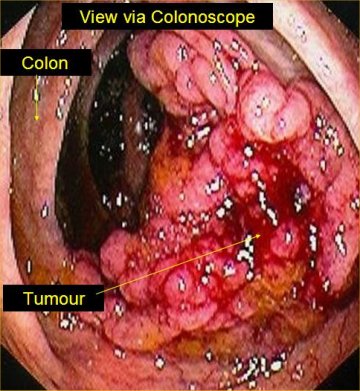
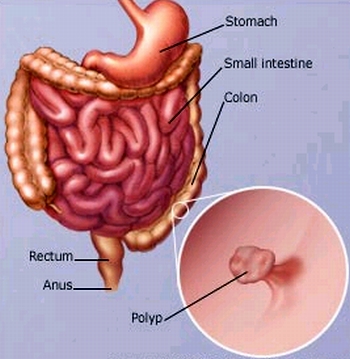
Colon cancer is also classified as substantial bowel cancer or colorectal cancer, which 1 can infer has some thing to deal with the rectum. In this sense, it entails the development of cancerous tissue abnormality in the colon, thereby affecting the rectum and the appendix. These tissue abnormalities are even more typically identified as adenomatous polyps which frequent the inner walls of the colon and are comparable in shape to that of mushrooms. As these polyps are observed as easy in the starting, their development into malignant abnormalities is what is regarded as colon cancer. For this cause, colonoscopies are encouraged so that there can be an early detection of these polyps and can be removed prior to they result in extra severe challenges. Importantly, researchers have located that a lot of the cancers of the colon found their origin in polyps which had been left to create untreated over time.

The most hazardous thing about this illness is the truth that it causes damage to one's tissues and organs, the creating blocks of the body. In this way, the liver and lungs could also be affected, halting the critical digestive program and producing it tough for the individual to breathe effectively. This metastasis late stage procedure is the final sign that there is no coming back from remedy and that regrettably, the result would be death.

Absolutely, from this we can't underestimate statistical reports that conclude that more than 650,000 people today die per year from this cancer, with the Western societies getting the most frequent circumstances. It seldom takes location within Africa and Asia. Leading these statistics is the United States, which considers this illness as the fourth most standard form of cancer as nicely as the third leading cause of death relating to cancer.

Other helpful data for a individual interested in the topic of colon cancer is the truth that it is treatable with surgery as nicely as chemotherapy in the a lot more severe situations. Now I am going to leave you with one thing to feel about colon cancer which was not mentioned earlier to pique your interest on further reading. In this way, additional precaution and action can be taken if you occur to have this deadly illness. Genes along the chain of the colon are ultimately damaged with the development of this cancer, in particular the APC gene. What do you assume the impact this will have on the physique as well as kids of these individuals? All the way more cause to get preventative screenings early and often.

Sunday, November 20, 2011

Colorectal Cancer: Its Causes And Symptoms


Colorectal cancer is a malignant tumor which arises in the inner lining of the colon or the rectum. This ordinarily takes place when there is an abnormal or uncontrolled growth of cells in the latter component of the digestive tract which is recognized as the colon. Pertinently, these malignant cells may possibly also grow in the rectum, the pretty end of the large intestine that opens at the anus, which lead 1 to suffer this malignancy.

This cancer has numerous distinct names. It is commonly termed as colon cancer or big bowel cancer, or "CRC". This illness is contemplated as the fourth common form of cancer in the United States, and the third leading trigger of cancer-associated in the Western domain.

What causes colon cancer?

There are quite a few causes for this sort of illness as properly as aspects that place certain folks at elevated risk for this sickness. Here are some recognized aspects:

Age
It is not directly stated that age can result in rectal cancer. Then again, this malignancy typically strikes in those individuals who are forty years and above.

Genes
Most colon cancer occurs when there is loved ones medical history related to this disease or polyps. For instance, whenever your father/mother/brother or sister has created colorectal cancer or additional than 1 loved ones member has had this malignant tumor, the risk to other family of acquiring this cancer is high.

Environment
Study has shown that environment a play a significant component in rectal cancer enhancement. Almost everything about you could influence your risk of acquiring colon cancer.

Inflammatory Bowel Illness (IBD)
IBD is sometimes characterized by circumstances related to ulcerative colitis and Chron's disease. When a person is experiencing such conditions he or she may possibly be at superb risk of developing colon cancer.

Eating plan
Diet regime has found out to be a causal factor of colon cancer specifically if your diet is high in fat and low in fiber.

Colorectal Cancer Symptoms

This kind of cancer does not always present any symptoms in the early stages. Its symptoms happen when the disease has progressed into the later stages. Here are some of its symptoms:

  • Modify in bowel habits which includes constipation or diarrhea
  • Blood in the stool
  • Abdominal discomfort and tenderness in the lower abdomen
  • Weakness or fatigue
  • Unexplained weight loss
  • Intestinal obstruction

Whenever you encounter symptoms like blood in the stool or adjust in bowel habits, you must instantly see your doctor for suitable medication.

Saturday, November 19, 2011

Colon Cancer: Don't Miss The Symptoms


sizcache="" sizset="64">

The colon (together with the rectum) are component of the significant intestine (bowel). The colon is a muscular tube that is about five feet long. It absorbs water and nutrients from food passing via. The rectum, the lower six inches of the digestive tract, serves as a holding place for stool, which then passes out of the body by way of the anus. The colon is divided into 4 sections: the ascending colon, transverse colon, descending colon, and sigmoid colon. Most colorectal cancers arise in the sigmoid colon -- the portion just above the rectum. They ordinarily commence in the innermost layer and can grow through some or all of the several tissue layers that make up the colon and rectum. Cancer can, yet, develop in any portion of the colon. The extent to which a cancer penetrates the many different tissue layers of the colon determines the stage of the illness.

What is Colon Cancer? Colon and rectal cancers are the second most prevalent kind immediately after lung cancer among men, and the third most prevalent immediately after breast cancer and lung cancer in women. Most colorectal types grow slowly over a period of a variety of years, quite often beginning as little benign growths named polyps. Removing these polyps early, prior to they develop into malignant, is an helpful means of preventing colorectal cancer. If the epithelia cells (the cells in the mucous membrane of the colon) turn cancerous and start to grow and replicate in an abnormal and uncontrolled way, the body can't organize these cells for typical function and the cells form a mass that is referred to as a tumor. Malignant tumors in the colon can ultimately penetrate via the colon and spread to other parts of the body, crowding and destroying standard cells.

Every person is potentially at danger of developing colon cancer at some point in their lifetime. Despite the fact that colon cancer happens mainly in mature individuals, it can also happen in younger males and females as properly. Some of the danger factors consist of a personal history of colonic or rectal polyps, a personal or family members history of colon or rectal cancer, and specific conditions, such as chronic ulcerative colitis (CUC) and Crohn's disease. Diet regime also appears to be a factor in the development of colon cancer.

Warning Symptoms Of Colon Cancer: There are symptoms or warning symptoms that should raise the suspicion that 1 has cancer. These contain: Obstruction As the colon cancer grows, especially if it is situated in the transverse colon or in the descending and sigmoid colons, it may cause obstruction, leading to a develop-up of pressure. This can result in discomfort and in swelling of the abdomen. In much more extreme cases of obstruction, there may well also be nausea and vomiting. Bleeding As tumors expand, they can be traumatized by the fecal stream, causing them to bleed. The blood is usually hidden in the stool and not readily visible. In some cases bleeding may possibly be visible on the stool or there is rectal bleeding. Anemia In some situations, as the tumor bleeds, it causes iron deficiency anemia to happen. Pain Once the tumor penetrates the wall of the colon and begins to invade adjacent tissue, it can cause discomfort, together with further symptoms. For example, if the cancer spreads to the bladder, it may well trigger urinary issues. Wasting Syndrome In some cases, colon cancer can cause a loss of appetite, weight, and strength.

Though the above warning signs can happen even in individuals without colon cancer, if a person does exhibit these symptoms, suitable diagnostic procedures should be advised in order to rule out colon cancer.

Colon cancer normally grows slowly over a period of years. As soon as the cancer breaks by way of the colon, it can enter blood or the lymphatic technique grow and spread pretty quickly. As the cancer grows, it commonly spreads into the liver and the lungs. It can also spread to the bones, particularly in the pelvis. Depending on the location of the tumor, it can also spread to the clavicle.

The American Cancer Society recommends that screening for colon cancer in people without any symptoms commence at age 50. Screening must consist of a yearly digital rectal examination (DRE) and a fecal occult bloot test (FOBT). Sigmoidoscopies, preferably flexible endoscopic sigmoidoscopies, should certainly happen each three to 5 years. For everyone with a initially-degree relative (parent, sibling, or kid) who has had colon cancer under the age of 55, screening must commence by age 40.

Details - Colon Cancer Is the second leading of death from cancer in the U.S. More than 50% of all new circumstances of colon cancer involve metastasis by the time of diagnosis Roughly 102,900 Americans will be diagnosed with colon cancer this year. Approximately 48,100 Americans will die from colon cancer this year. 80 to 90 million Americans are at danger of creating colon cancer If colon cancer is detected and treated early, the survival rate is high.

Screening The American Cancer Society and the American College of Gastroenteroloy recommend that screening for colon cancer in people without any symptoms commence at age 50. The recommended technique for screening is a colonoscopy (repeated just about every ten years if no polyps or tumors are identified and the person has no danger elements). The advised option strategy for screening is a yearly digital rectal examination (DRE) and a fecal occult bloot test (FOBT). Sigmoidoscopies, preferably flexible endoscopic sigmoidoscopies, must occur every 3 to five years. For any one with a very first-degree relative (parent, sibling, or kid) who has had colon cancer under the age of 55, screening is recommended starting at age 40.

Medical Malpractice and Colon Cancer The incidence of medical malpractice associated to the diagnosis of colon cancer is alarming. It is the second most widespread kind of cancer in the U.S., resulting in an expected 48,100 deaths this year. Nonetheless, too numerous males and girls have their cancer diagnosis delayed when the doctors in whose hands such men and ladies entrust their properly-getting fail to perform appropriate screening tests, fail to properly interpret test results, and fail to take crucial steps when symptoms of cancer are reported. When this occurs, the physician has been negligent. And the tragic result of this negligence is too usually the loss of treatment choices and/or the loss of chance of survival.

My law firm is devoted to explaining how medical malpractice arises in the context of a failure by a physician to timely diagnosing colon cancer to describing what is involved in pursuing a medical malpractice claim and to providing a handy and totally free lawyer consultation to those who think they have been the victim of medical malpractice.

Why You Might possibly Have a Claim According to a report by the Institute of Medicine, medical errors are responsible for at least 44,000 deaths each and every year in the United States and possibly as quite a few as 98,000 every year. The following are among the alot more frequent forms of negligence or medical malpractice by physicians in diagnosing and/or treating colon cancer: Failing to carry out a routine digital rectal examination (DRE) Failing to identify a cancerous mass in the rectum or lower colon for the duration of a routine digital rectal examination Failing to carry out a screening sigmoidoscopy or colonoscopy Failure to order appropriate diagnostic examinations (such as a colonoscopy) to test for colon cancer when a patient exhibits symptoms that can be brought on by colon cancer Misinterpreting the biopsy results Failing to react to biopsy findings Failing to suggest suitable treatment options and Failing to follow-up with the patient. The above are only examples and are by no indicates intended to be an exhaustive list of acts of malpractice. If you suspect that your doctor failed to detect and/or appropriately treat your colon cancer, you should really get in touch with a competent lawyer quickly.

Contact us for a Zero cost Consultation

Please really feel free of charge to get in touch with me directly at or 516.358.6900 if you or a family member have been diagnosed with Colon Cancer and a doctor or other medical professional discounted complaints of rectal bleeding as just hemorrhoids, failed to screen for colon cancer by recommending a colonoscopy or testing for blood in the stool and a sigmoidoscopy or colonoscopy, or failed to follow up following an abnormal test result.

How Constipation Creates Colon Cancer


In 1911 Dr. Alexis Carrel received the Nobel Prize for growing live tissue cells. He discovered that removing their digestive wastes every day, these cells could live indefinitely. When he did not take away their wastes for 3 days they develop into weak and unhealthy.

This straight forward experiment showed that whatever waste we create whether or not it's in our lymph liquid, our blood, or in the colon, it have to be removed everyday if we are to have superb health.

Searching at colon waste, we ought to be getting a bowel movement every single day for every meal we eat. Most of us have only one or none each and every day. A lot of doctors say it is ok if you only have one bowel movement each two days. Yes, it is ok if you want to produce colon cancer.

Studies have shown that if you have a bowel movement just about every three - four days, you are even more at danger for having a heart attack, colon cancer, hemorrhoids, IBS, and a large number of other illnesses.

As in 1911, Dr. Alexis showed cells develop into weak and die if they remain in their own metabolic waste for more than 3 days or longer. This is precisely the condition named constipation.

Fecal matter that remains stagnant in the colon provides rise to bacteria that produce colon wall irritations and inflammation. This then can lead to colon cancer.

And yet another factor, if you continue to have constipation, then this bacteria and toxic waste tend to slip into the small intestine exactly where they can then get into your blood stream. There, this toxic matter goes all more than the body producing damage and excess inflammation.

Here's how to make positive your fecal matter does not develop into stagnant in your colon and produces colon cancer.

Just by rising the amount of fiber you eat day-to-day by three / four ounce, you can significantly adjust your risk of getting colon cancer and countless other colon diseases. If you are like most persons, you eat only 1 / 4 ounce of fiber. In terms of grams, you are likely eating 8 grams. Raise the quantity of fiber you eat by 20 grams to 28 grams and decrease your likelihood of acquiring colon cancer.

Here's what fiber does in your colon:

* Raise the size of your stools

* Feeds your decent bacteria and keeps them wholesome and plentiful

* Traps carcinogens so they do not collect on your colon wall

* Reduces the amount of bile salts that are changed to carcinogens by negative bacteria

* Keeps you pH slightly acidic and in favor of good bacteria

* Reduces stagnation of fecal matter in colon - reduces constipation

* Traps water so stools are not challenging

Here's how fiber functions. By keeping your stools big, they move quicker in your colon and don't enable carcinogens to remain in get in touch with with your colon wall for very long.

Sizeable fiber stools brush along the colon walls keeping them clean and causing the nerves to activate peristaltic action.

Fiber provides food for the superior bacteria and makes them stronger than the bad bacterial. This limits the carcinogen producing activities of the negative bacteria. When the decent bacteria exceed the bad bacteria, the colon pH is slightly acidic and this makes your colon work much better - less constipation and alot more nerve sensitivity

When your stools have extra water, they are softer and move conveniently by means of the colon. Challenging stools are hard to move by means of the colon. Due to the fact the colon sucks water out of the stool to recirculate it into the blood, less toxic material is pull out of a fecal bulk if it has a lot of water.

Add three / 4 ounce of fiber to your every day diet and prevent the misery and devastation that colon cancer brings to you and your family.